Dubai Real Estate in an Uncertain World
March 2026
Why Global Capital Continues to Flow Into the UAE
In the past several weeks, geopolitical tensions across the Middle East have dominated global headlines. Markets dislike uncertainty, and investors everywhere are asking the same question.
What does this mean for Dubai?
The honest answer is nuanced. Regional tensions do create short term volatility. Air travel can be disrupted, financial markets may pause, and some investors temporarily move to the sidelines while they assess the situation.
But when looking at the underlying fundamentals of Dubai’s real estate market, the long term investment thesis remains intact. In many ways, the factors driving capital into Dubai today are the same ones that have attracted global wealth to the city for the past decade: stability, infrastructure investment, and a regulatory environment designed to attract international capital.
The UAE’s Approach to Stability
The United Arab Emirates has spent decades positioning itself as a neutral, economically focused hub within a complex region.
During periods of geopolitical tension, the UAE’s strategy historically emphasizes three priorities:
• Maintaining internal security and stability
• Preserving the functioning of financial markets and infrastructure
• Continuing long term economic development plans
This approach has allowed Dubai to maintain operational continuity even when the broader region faces uncertainty. Financial markets, ports, airports, and business districts typically continue functioning because the country’s economic model depends on reliability.
For international investors, that consistency matters.
Another thing worth noting is the exceptional leadership demonstrated during these times. The Sheikhs care deeply about the safety and happiness of ALL residents of the UAE. And it shows in their actions, not just their words.
Why Global Investors Continue Looking at Dubai
While headlines often focus on regional tensions, institutional investors tend to look at longer time horizons. When they analyze Dubai’s real estate market, several structural factors stand out.
First, the city offers relatively high rental yields compared with most global gateway cities. In many established markets such as London, New York, or Hong Kong, residential yields often fall between two and four percent. In Dubai, residential yields commonly range between five and nine percent depending on the asset and location.
Second, Dubai has a clear long term development framework. The Dubai 2040 Urban Master Plan outlines population growth, infrastructure expansion, and new residential districts over the coming decades.
Third, the emirate continues to attract international residents and businesses at a rapid pace. Remote work policies, tax advantages, and residency programs have made Dubai particularly attractive to entrepreneurs, global professionals, and investors seeking geographic diversification.
In short, investors are not just buying apartments. They are buying into a long term economic platform.
The Emerging Investment Corridors
Dubai’s current development cycle is concentrating growth into two major corridors.
The first is the Southern Infrastructure Corridor centered around Dubai South and Expo City. This region is supported by the continued expansion of Al Maktoum International Airport, which is expected to become one of the largest airports in the world once fully completed.
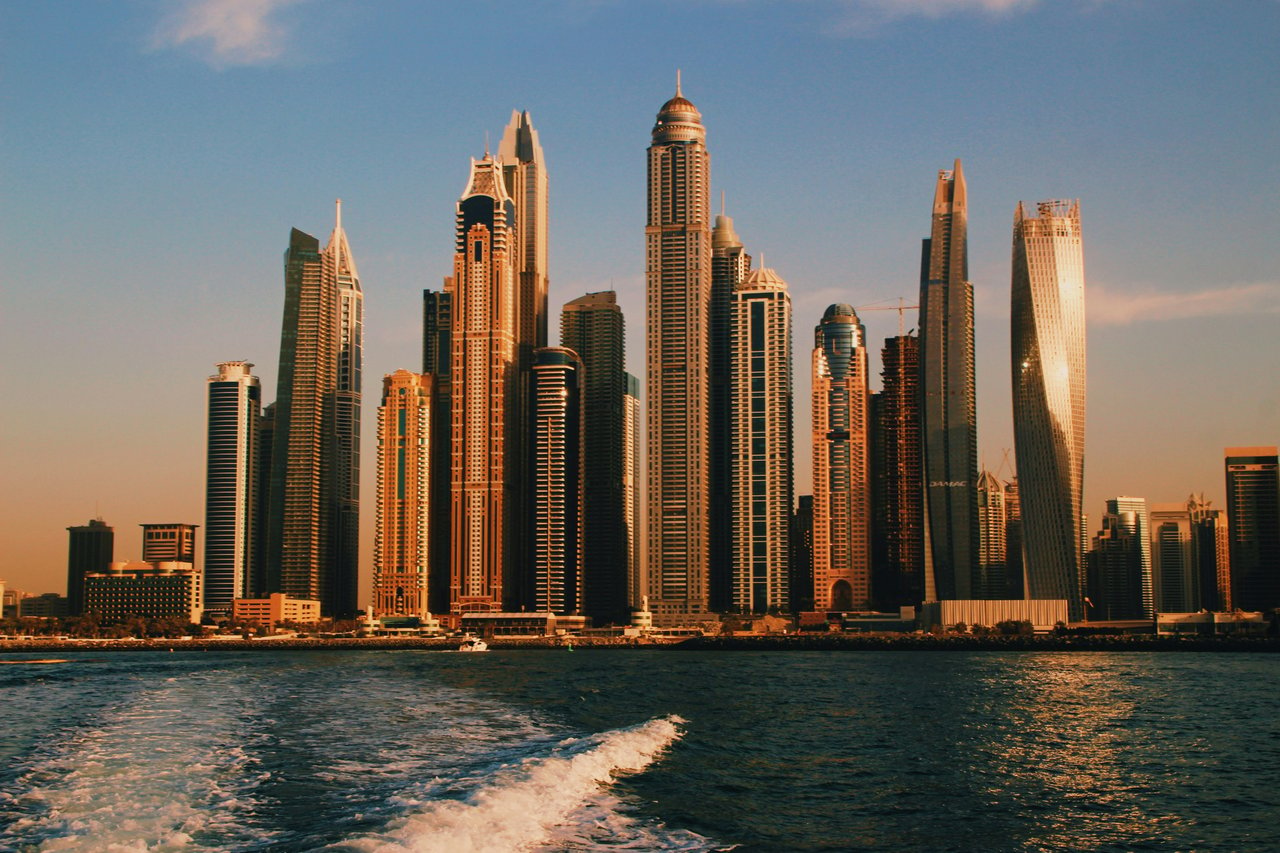
Historically, major infrastructure investments in Dubai have created entirely new residential districts. Dubai Marina emerged alongside Sheikh Zayed Road’s expansion, while Downtown Dubai developed around the Burj Khalifa and Dubai Mall.
Dubai South appears to represent the next iteration of that pattern.
The second corridor is the Central Luxury Corridor, which includes MBR City, Sobha Hartland II, and Dubai Creek Harbour. These areas are attracting high net worth buyers who prioritize premium construction quality and proximity to central Dubai.
Together, these two growth zones represent different strategies within the same market: infrastructure driven appreciation and premium residential development.
Pricing and Opportunity
One of the reasons Dubai continues attracting investors is the significant variation in price per square foot across districts.
Emerging infrastructure areas such as Dubai South currently trade at lower price levels than established luxury areas. Meanwhile, mid market communities such as Jumeirah Village Circle offer strong rental demand and accessible entry points for investors focused on yield.
Premium waterfront developments such as Dubai Creek Harbour or Palm Jumeirah command higher prices but offer long term prestige value and international recognition.
For investors building a portfolio, this price spectrum allows for diversification within a single city.
Building a Balanced Portfolio
Many international investors entering the Dubai market structure their portfolios around three objectives.
The first is yield. Communities such as Jumeirah Village Circle often deliver strong rental income because they attract young professionals and new residents entering the city.
The second objective is infrastructure driven appreciation. Areas surrounding Expo City and Dubai South are expected to benefit from continued infrastructure expansion and population growth.
The third objective is long term prestige assets. Premium developments in central Dubai or waterfront communities tend to attract global buyers and institutional interest.
Combining these strategies allows investors to balance rental income with long term appreciation potential.
Looking Beyond the Headlines
Periods of geopolitical tension naturally raise concerns among investors. However, experienced global investors typically separate short term headlines from long term fundamentals.
Dubai’s economic strategy, infrastructure investment, and international positioning have been decades in the making. Those structural factors do not change overnight.
If anything, the current environment highlights why cities with strong governance, economic diversification, and global connectivity continue to attract capital even during uncertain times.
Final Sip
Real estate markets rarely move in straight lines. They respond to global events, economic cycles, and investor sentiment.
But long term capital tends to follow places that combine stability, infrastructure investment, and international connectivity.
Dubai continues to check all three boxes.
For investors willing to look past the daily (grossly overblown) headlines and focus on long term fundamentals, the city remains one of the most interesting real estate markets in the world today.